
The collection of one hundred and fifty sacred songs known as the Psalms serves as the divinely inspired manual of praise and prayer for the nation of Israel, reflecting a unique heart-level connection between the Creator and His covenant people. These sacred texts were likely composed over a vast timespan of approximately one thousand years, beginning with the prayer of Moses during the wilderness wanderings around 1440 B.C. and concluding with the post-exilic songs of praise following the return from Babylon around 430 B.C. While often referred to as the Psalms of David, this collection was penned by various authors over these many centuries, including Moses, Solomon, the sons of Korah, and Asaph, all writing under the direct superintendence of the Holy Spirit. These writers captured the full spectrum of human emotion—from the heights of joyous deliverance to the depths of agonizing lament—always anchoring their experiences in the unchanging character of God and His specific promises to the seed of Abraham.

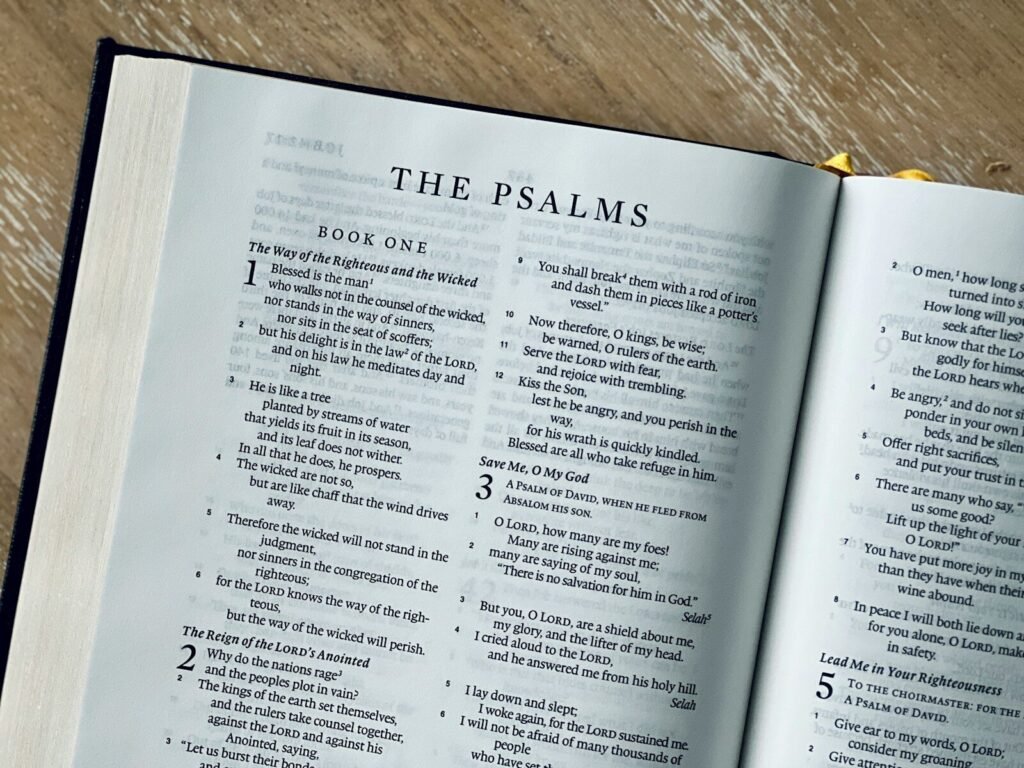
The primary purpose of these compositions was to provide a liturgical framework for Israel’s worship, particularly centered around the Tabernacle and later the Temple, while looking forward to the ultimate fulfillment of the Davidic Covenant. They function as a prophetic bridge, frequently speaking of the coming Messiah in His first coming as the suffering Savior and His second coming to earth as the reigning King who will sit upon the throne of David in Jerusalem. For the believer today, the Psalms remain profoundly relevant as they provide a vocabulary for personal worship and a reminder of God’s faithfulness across different dispensations of time. They offer comfort by demonstrating that God is intimately involved in the lives of His people, regardless of their circumstances.
Furthermore, the Psalms serve to strengthen and validate the rest of the biblical canon by providing the emotional and prophetic heartbeat of the Old Testament. They are the most frequently quoted Old Testament book in the New Testament, used by the apostles and Christ Himself to prove His identity and mission. By connecting the historical narratives of Israel’s past with the prophetic expectations of a literal earthly kingdom, the Psalms reinforce the literal interpretation of Scripture and the distinct roles God has for Israel and the Church. They provide a theological depth that enriches the Law and the Prophets, showing that the same God who gave the commandments is the one who demonstrates grace and provides a path unto salvation through the coming messiah, Jesus Christ.